

AI and search engine optimization are no longer separate conversations. They are converging quickly, and businesses that understand how to optimize website for AI search are positioning themselves for the next phase of digital visibility.
Search behavior has shifted. Users are asking full questions in ChatGPT, reviewing Google AI Overviews before clicking a result, and relying on conversational answers instead of scrolling through blue links. For businesses across competitive markets, this changes how visibility works.
At Brandcamp Digital, our SEO and AI search services are built around performance, not just rankings. That means adapting to how AI and search engine optimization now work together to influence awareness, trust, and revenue.
If you want to optimize website for AI search without sacrificing traditional rankings, this guide will walk you through what matters and what does not.
Why AI And Search Engine Optimization Are Now Intertwined
AI and search engine optimization used to feel like two separate disciplines. SEO was about keywords and rankings. AI was about chatbots and automation.
Today, they overlap.
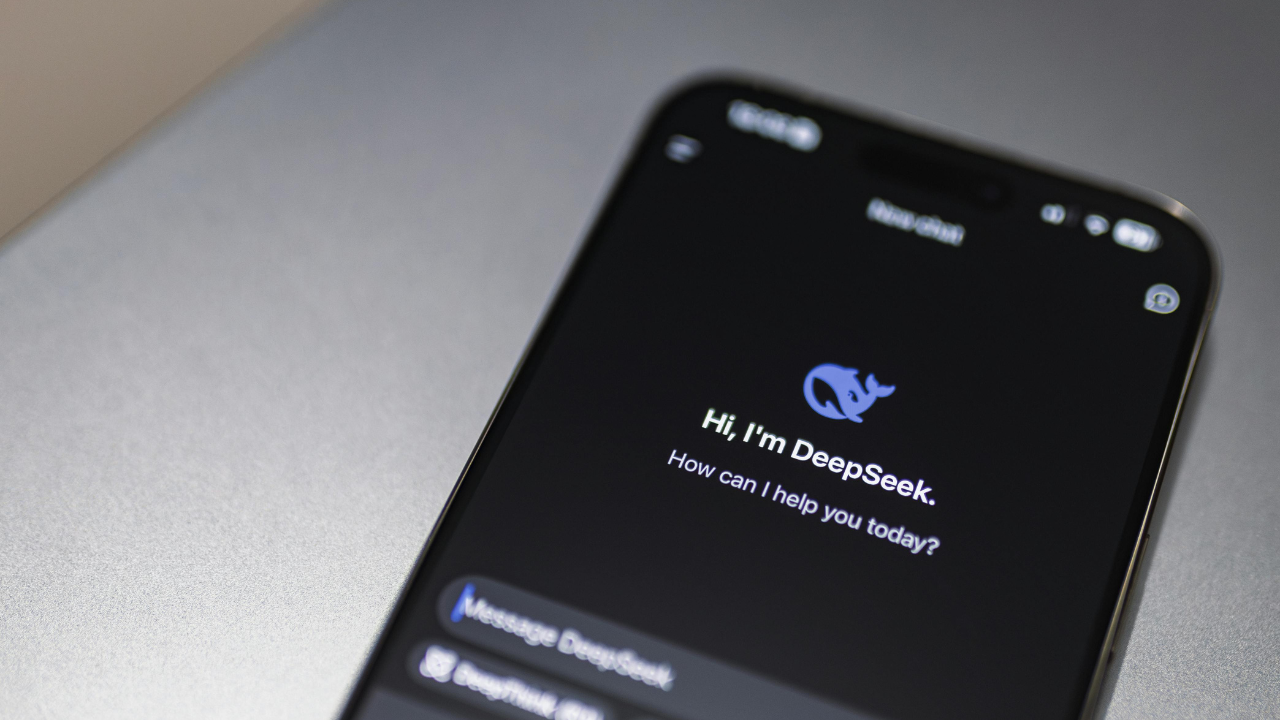
Google uses AI models to interpret search intent. AI Overviews summarize multiple sources. Platforms like ChatGPT and Perplexity reference websites when generating answers. Even traditional rankings are influenced by machine learning systems that interpret meaning rather than just matching keywords.
That means when you optimize website for AI search, you are not abandoning SEO. You are strengthening it.
AI systems prioritize:
- Clear structure
- Accurate definitions
- Strong entity signals
- Authoritative content
- Technical clarity
Those are also the foundations of strong AI and search engine optimization performance.
The difference is that now your content may be cited, summarized, or referenced before a user ever clicks.
Ranking Vs Being Cited: What Has Changed
Traditional SEO focused on ranking position.
AI and search engine optimization introduce a second layer: citation visibility.
When you optimize website for AI search, your content can appear in:
- AI-generated summaries
- Featured sources
- Conversational recommendations
- Zero-click responses
According to research shared by Semrush, search visibility is evolving beyond clicks alone. AI-influenced users often arrive more informed and closer to a decision.
For local service businesses and growth-focused brands, this matters. Being cited in AI answers builds authority, even if traffic patterns shift.
The goal is no longer just traffic volume. It is influence within the search ecosystem.
How To Optimize Websites For AI Search Without Losing SEO Performance
The good news is that most of what helps you optimize website for AI search also strengthens traditional SEO.
Here is where to focus.
1. Structure Content For Direct Answers
AI models extract passages.
Each section of your page should be able to stand alone and answer a clear question.
Instead of vague subheadings, use question-based headings. Then answer that question immediately before expanding.
For example:
What Is Technical SEO?
Technical SEO refers to optimizing website structure, speed, crawlability, and indexing so search engines can properly access and understand your content.
This approach improves both AI and search engine optimization outcomes because clarity benefits humans and algorithms alike.
2. Strengthen Entity Signals
AI systems rely heavily on entity recognition.
Your brand, services, and location should be clearly defined throughout your website. Avoid inconsistent naming or vague descriptions.
If you want to optimize website for AI search in a competitive local market, reinforce:
- Your service category
- Your geographic area
- Your differentiators
- Your credentials
Consistency across pages increases your likelihood of accurate AI representation.
3. Improve Technical Accessibility
You cannot optimize website for AI search if AI crawlers cannot access your content.
Ensure:
- No critical content is blocked in robots.txt
- Pages load quickly
- Canonical tags are correct
- Internal links are logical
- Structured data is implemented properly
AI and search engine optimization both depend on clean architecture.
4. Add Verifiable Data And Examples
AI models favor content with concrete, citable details.
Replace vague claims with measurable information.
Instead of:
“Our strategies improve visibility.”
Use:
“Our SEO strategy helped a regional service brand increase organic leads by 38 percent over six months.”
Specificity increases extractability.
Local Impact: Why AI Visibility Matters In Competitive Markets
For businesses operating in competitive local regions, AI and search engine optimization shifts are especially important.
AI-driven summaries often surface:
- “Best” providers
- Top-rated businesses
- Frequently mentioned brands
- Service comparisons
If you optimize website for AI search correctly, you increase the chances your brand is referenced when someone asks:
“Who are the top SEO agencies near me?”
“Best digital marketing company in my area?”
Even if traffic does not spike immediately, brand familiarity increases. And familiarity drives conversions.

Measuring AI And Search Engine Optimization Performance
Traditional SEO success was measured primarily through:
- Rankings
- Organic traffic
- Click-through rates
AI and search engine optimization require broader visibility tracking.
Monitor:
- Inclusion in AI Overviews
- Brand mentions in AI responses
- Branded search growth
- Assisted conversions
- Engagement metrics
Traffic might fluctuate as zero-click searches increase. That does not mean performance is declining.
The key is measuring influence, not just clicks.
Common Mistakes When Trying To Optimize Websites For AI Search
Many businesses overreact to AI updates.
Here are common missteps:
- Rewriting everything for AI
- Stuffing content with repetitive keywords
- Publishing high volumes of generic AI-generated content
- Ignoring technical health
- Forgetting user experience
AI and search engine optimization still reward clarity and usefulness.
If content is shallow, inaccurate, or poorly structured, it will struggle in both traditional rankings and AI citations.
The Hybrid Future Of Search
The future is not SEO versus AI.
It is hybrid visibility.
Your content may:
- Rank in traditional results
- Appear in AI summaries
- Be referenced in chat responses
- Support brand-driven searches
When you optimize website for AI search strategically, you are strengthening your entire organic foundation.
Businesses that adapt early build authority before the space becomes crowded.
A Smarter Approach To AI And Search Engine Optimization
The smartest strategy is not chasing every AI trend.
It is building a durable foundation.
Focus on:
- Clear structure
- Authoritative insights
- Technical precision
- Local relevance
- Consistent updates
That combination supports both traditional rankings and AI citation visibility.
If you are evaluating how AI and search engine optimization affect your business and want a strategy grounded in measurable growth, it may help to get a second perspective.
You can contact us to discuss how to optimize your website for AI search while protecting your long-term organic performance.

Future-Proofing Your Visibility
AI is not replacing search. It is reshaping it.
Brands that understand how to optimize their website for AI search while maintaining strong SEO fundamentals will remain visible, credible, and competitive.
AI and search engine optimization are converging around one principle: clarity wins.
When your website clearly communicates who you are, what you offer, and why it matters, both search engines and AI systems can represent you accurately.
That clarity is what drives sustainable growth.
If you are ready to adapt your strategy thoughtfully, you can contact us for guidance tailored to your market and goals.
FAQs About AI and SEO
What is the relationship between AI and search engine optimization?
AI and search engine optimization now overlap because search engines use AI models to interpret intent and generate summaries. Optimizing for AI visibility strengthens overall SEO performance.
How can I optimize website for AI search without hurting rankings?
You can optimize website for AI search by improving structure, clarity, entity consistency, and technical health. These improvements support both AI visibility and traditional rankings.
Does AI search reduce website traffic?
AI summaries can reduce some clicks, but strong AI and search engine optimization can increase brand visibility and attract more qualified visitors who are closer to conversion.
Is AI and search engine optimization only relevant for large brands?
No. Local and mid-sized businesses benefit significantly when they optimize website for AI search, especially in competitive service markets.


.png)