Search has changed, so the way we work has changed with it. There are two jobs now: SEO, ranking on Google as always, and GEO, earning a mention when an AI tool answers the question directly.
This is a plain explanation of how we approach both, and why AI and search engine optimization keep circling back to the same place: the searches that lead to real enquiries, rather than traffic for its own sake. At Brandcamp Digital, this shift is the single biggest adjustment we've made to how we run client campaigns over the past year.
If your organic numbers have looked strange lately, some of what follows should explain why.
.jpg)
AI and Search Engine Optimization: What Actually Changed
For years, SEO had one obvious measure. More visitors meant it was working. That measure is getting less reliable.
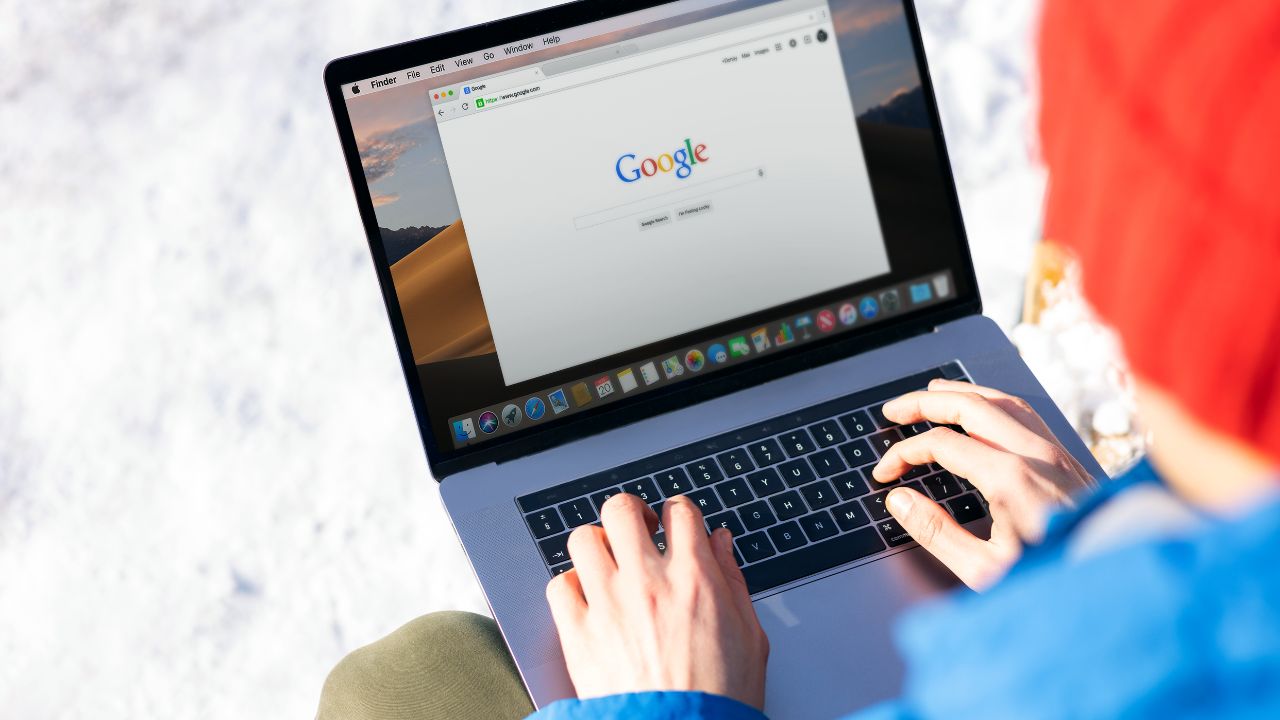
Google now answers a growing share of questions directly on the results page, through AI summaries and richer result formats. Someone searching "what is a heat pump" gets a paragraph and moves on. The clicks that used to reach websites for general "what is" and "how to" searches increasingly never leave Google at all.
This is an industry-wide shift and no single website controls it. You can't out-optimize it, and neither can your competitors. Chasing raw traffic in this environment often means chasing a number that's shrinking for reasons that have nothing to do with the quality of the work being done.
The opportunity that comes with it is GEO.
What GEO Means
GEO stands for generative engine optimization. It's the work of being the source those AI answers quote, so you're still seen even when there's no click.
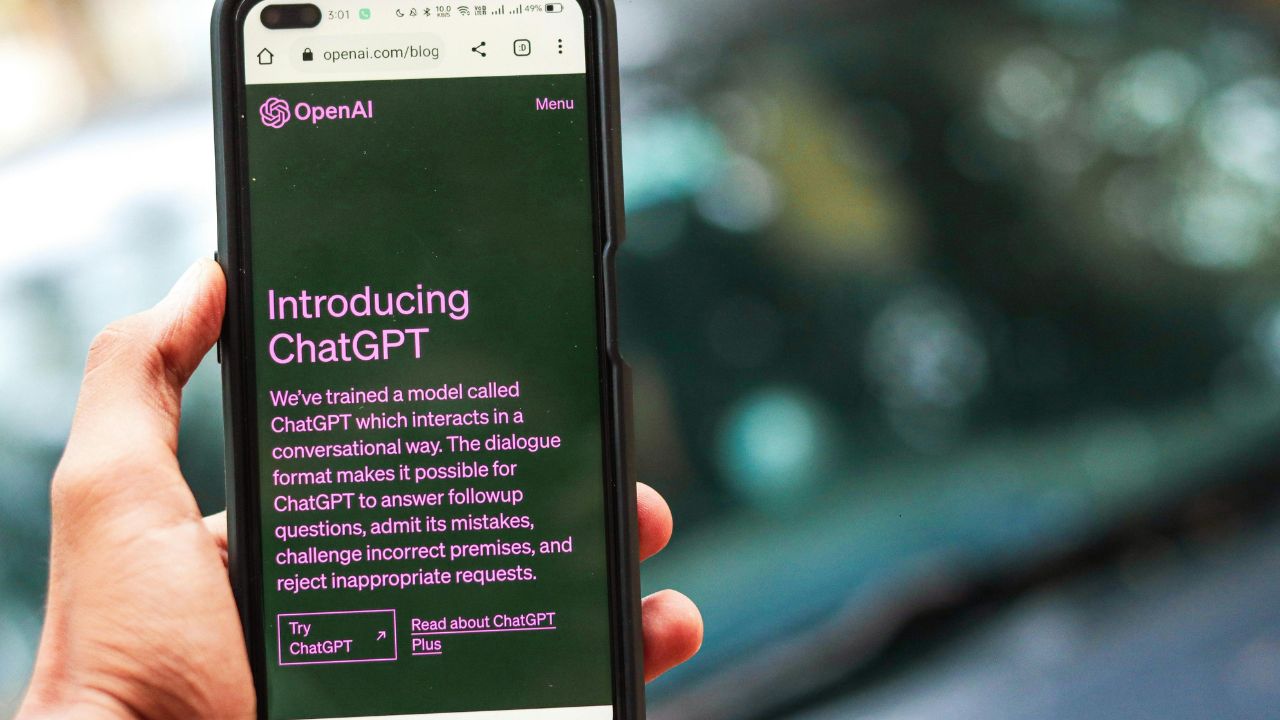
When someone asks ChatGPT, Perplexity, or Google's AI Overviews about furnace replacement, the tool reads across many sources and writes one answer. A business or two gets named in it. GEO is the work of being one of them.
You'll also hear this called AEO, or answer engine optimization. Same work, slightly different emphasis, and most agencies use the two interchangeably. We've written a fuller breakdown of how SEO and AEO fit together in a marketing budget if that's the angle you need. Don't get too attached to which acronym anyone prefers. Ask what they're doing about it.
Why Is My Website Traffic Dropping?
This is the question we field most often now, and the answer usually isn't what people expect.
Rule out the boring causes first. A technical fault, a canonical tag pointing somewhere wrong or a noindex left behind after a migration, can cut traffic fast and is worth checking before anything else. Algorithm updates happen. Seasonality explains more declines than anyone gives it credit for.
But when rankings have held steady and traffic still slid, you're usually looking at the shift above. Impressions are flat or up. Clicks are down. Google satisfied the query on its own page and the visit never happened.
That's not a quality problem, and treating it like one leads to bad decisions. It's a signal that the metric needs to change.
What We Focus On Instead
The goal was never traffic. Traffic was a convenient stand-in for enquiries, calls, and bookings. When the stand-in stops tracking the real thing, you replace the stand-in.
Commercial intent first. There's a real difference between someone searching "why does my furnace short cycle" and someone searching "furnace replacement cost." The first is reading. The second is close to spending money. We prioritize the searches where a person is near becoming a customer, "physio near me" over broad research queries that rarely lead to a booking. That's where focused work makes the biggest difference in the shortest time. It's also the category least disturbed by AI summaries, because someone comparing prices and providers still needs to visit real businesses.
Placement over appearances. Being shown to a lot of people on page three is worth very little, since almost nobody clicks that far down. We'd rather move ten pages from position twelve to position six than report a thousand new impressions on page four. The keywords sitting just below page one are usually the strongest opportunity in any account, because a modest improvement there can double the clicks on that term.
The pages that convert. Most of the work goes into pages that actually win business: service pages, product and category pages, and local landing pages. Blog content still plays a supporting role, and it's increasingly what AI tools quote from, so it earns its place. It's rarely the page that produces the enquiry, though, which is why it isn't where the effort gets concentrated.
How to Measure SEO Success in 2026
If you're rebuilding your reporting around this, these are the measures worth arguing for:
Rankings for commercial-intent keywords. Not a total keyword count. The specific terms that signal buying intent in your industry, tracked over time.
Page-one presence. How many priority keywords sit in the top ten, and which direction that number is moving.
Striking distance keywords. Positions eleven through twenty. This is the pipeline, and movement here is often the earliest evidence a campaign is working.
Conversions from organic SEO. Forms, calls, bookings, revenue. Whatever counts as a lead in your business.
Google Business Profile actions. For local businesses, calls and direction requests from your profile matter more than most website metrics. Reviews feed straight into this and remain one of the stronger local ranking signals.
AI visibility. Whether your brand comes up when someone asks an AI tool a question you ought to own. Harder to measure than the rest, but not invisible.
Traffic still belongs in the report. As context, not as the verdict.
Does SEO Still Work in 2026?
It does, and anyone telling you otherwise is selling something.
Traditional search volume is still enormous, and people still click links when they're ready to hire or buy. Local search is holding up particularly well, because "physio near me" can't be resolved by a paragraph of AI text. Someone has to pick a clinic and book an appointment.
What's changed is the honest headline. A campaign can be working well and show flat sessions while calls and form fills climb. If the reporting only tracks the top-line number, that campaign reads as a failure when it's the opposite.
.jpg)
How AI Search Optimization Works in Practice
The actual work is less exotic than the terminology suggests, and most of it overlaps with good digital advertising and SEO fundamentals.
Answer questions directly. Open a section with a clear, complete answer in the first two sentences, then expand. AI systems extract cleanly from content built this way, and readers prefer it too.
Use structured data. FAQ, service, product, and local business schema help machines understand what a page covers and who stands behind it.
Build topical authority. A connected cluster of content on one subject does more for credibility than scattered posts across ten unrelated ones.
Strengthen credibility signals. Named authors with real expertise, cited sources, accurate figures, consistent publishing. The E-E-A-T qualities Google rewards are broadly the ones that make AI systems treat a site as reliable.
Test where you stand. Ask ChatGPT, Perplexity, and Google with AI Overviews enabled the questions your customers ask. See whether you appear. If a competitor does instead, that's useful information.
Keep the local basics tight. Consistent name, address and phone details, an active Google Business Profile, a steady flow of reviews. AI tools lean on much of the same local data Google does.
The Short Version
Search is moving toward quality over volume, and that plays to our strengths. Instead of chasing traffic that's getting harder to win, we focus on the smaller number of searches that actually bring in enquiries, and on getting your key pages in front of the people making them.
It's a build rather than a switch. Rankings move gradually and the gains compound, so the value grows month on month. Search will keep shifting, and some of it sits outside anyone's control, but this is the approach best placed to keep earning results as it does.
Let's Talk About Where Your Business Sits
Every business starts from a different place with this. Some have a solid SEO foundation and need the GEO layer added on top. Others need the fundamentals sorted first. If you'd like a clearer read on where your site stands and what's worth doing next, get in touch with the Brandcamp Digital team. We're happy to take a look.
Frequently Asked Questions
How is AI changing search engine optimization?
AI is changing search engine optimization in two ways. Google now answers more questions directly on the results page through AI summaries, which reduces clicks to websites for general informational searches. At the same time, AI tools like ChatGPT and Perplexity have become research platforms in their own right, creating a new opportunity to be the source those tools cite. The result is that traffic has become a less reliable measure of success, and visibility now includes appearances where no click occurs.
What is GEO in SEO?
GEO stands for generative engine optimization. It's the practice of structuring content and building authority so AI-powered tools reference your business when they generate answers. The goal is being named inside the AI response rather than only ranking as a link someone has to click.
Is GEO the same as AEO?
For practical purposes, yes. AEO, or answer engine optimization, emphasizes structuring content to answer specific questions, while GEO emphasizes influencing what generative AI systems produce. The underlying work is substantially the same and most agencies use the terms interchangeably.
Why is my website traffic dropping when my rankings haven't moved?
The most common cause in 2026 is Google answering more queries on the results page, so impressions hold steady while clicks fall. Before assuming that's the cause, rule out technical faults such as incorrect canonical tags or an accidental noindex, along with algorithm updates and normal seasonal variation.
How should SEO success be measured now?
Focus on rankings for commercial-intent keywords, how many priority terms sit on page one, keywords in striking distance at positions eleven through twenty, and conversions from organic search such as calls, forms and bookings. For local businesses, Google Business Profile actions matter as much as website metrics. Traffic is still useful context but shouldn't be the headline measure.
Does SEO still work in 2026?
Yes. Traditional search volume remains very large, and commercial and local searches continue to send people to websites at high rates. What's changed is measurement. A campaign can produce flat traffic while generating more leads, which is why reporting needs to connect search activity to business outcomes rather than sessions alone.


.png)